
Bored of Your Brand? That’s Not a Design Problem.
At a recent brand talk I ran for a small business networking group, someone asked a question that’s been sitting with me ever since. We were deep in a conversation about colour psychology and moodboarding when a hand went up:
“What do you do when you get bored of your own brand design?”
Honestly? It’s one of the best questions a business owner can ask. Because the fact you’re asking it means you’re paying attention. But my answer might surprise you.
If you’re in this position, STOP, get off Pinterest, stop browsing new, trendy Brand Designs and read this article first.
Your boredom is not a signal to rebrand. It’s a signal to pause and ask: who is this brand actually for?

Brand Identity Design by a Cambridgeshire, UK based female Graphic Designer using a laptop with mug and heels in view.
Your Brand is not for you.
This is the reframe that should change everything: your brand design exists for your audience, not for you. You live inside it every day, you see your logo on every document, your colours on every post, your fonts on every email. Of course it starts to feel familiar. That’s the point.
Your audience are experiencing something completely different. They’re experiencing consistency. Every time they see your brand looking and feeling the same, they’re building a subconscious layer of trust with you. They recognise you. They know what to expect. That recognition has real commercial value.
When explaining this at the small business talk, I asked everyone to consider big brands like Apple and Nike. With Nike, the tick hasn’t changed in any meaningful way in decades. The typographic treatment of their name? Barely a shift. The occasional campaign evolution? Absolutely. But the brand? Steady as a rock. Apple is the same, incremental, almost invisible refinements over many years, never a dramatic overnight overhaul.
These are not brands with boring marketing teams. These are brands that understand the compounding power of consistency. The longer people recognise you, the more they trust you. The more they trust you, the more they buy from you or buy into you.
Small Changes That Keep You Creative (Without Breaking Trust)
That said, I completely understand the need for creative stimulation. You cannot produce your best work if you’re creatively suffocated. So here are ways to keep things feeling fresh that won’t erode what you’ve built:
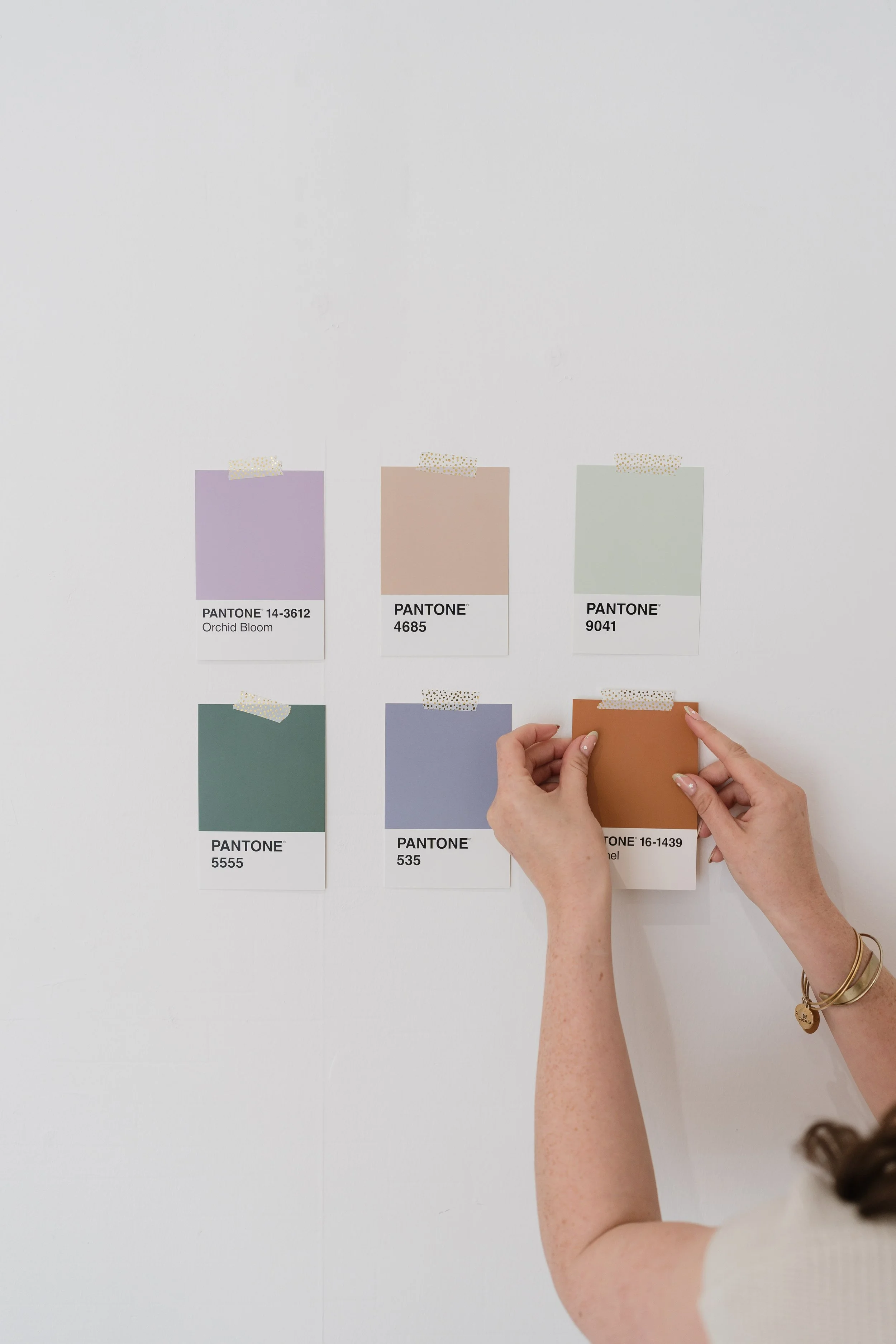
Play with your secondary palette
Most brand guidelines include a secondary colour palette for a reason, use it. Shift your accent colours seasonally or campaign by campaign. Your primary colours stay intact; the supporting cast can flex.
Evolve your content style, not your brand
Photography style, illustration approach, content formats; these can and should evolve over time. They bring freshness without touching your core brand identity.
Refresh your templates
New Canva templates, a fresh Instagram grid layout, a redesigned email footer; these can make your brand feel new to you without registering as change to your audience at all.
Introduce a campaign identity
A campaign sub-identity that lives alongside your main brand gives you creative space to play. Think of it as your brand’s costume for a special occasion, underneath, it’s still you.
Why You Should Resist the Trend Trap
There is always a trending colour, font or design aesthetic doing the rounds. I see it constantly in the brand design space. And I understand the pull, it’s shiny, it feels current, it looks like everyone who’s ‘doing well’ is using it.
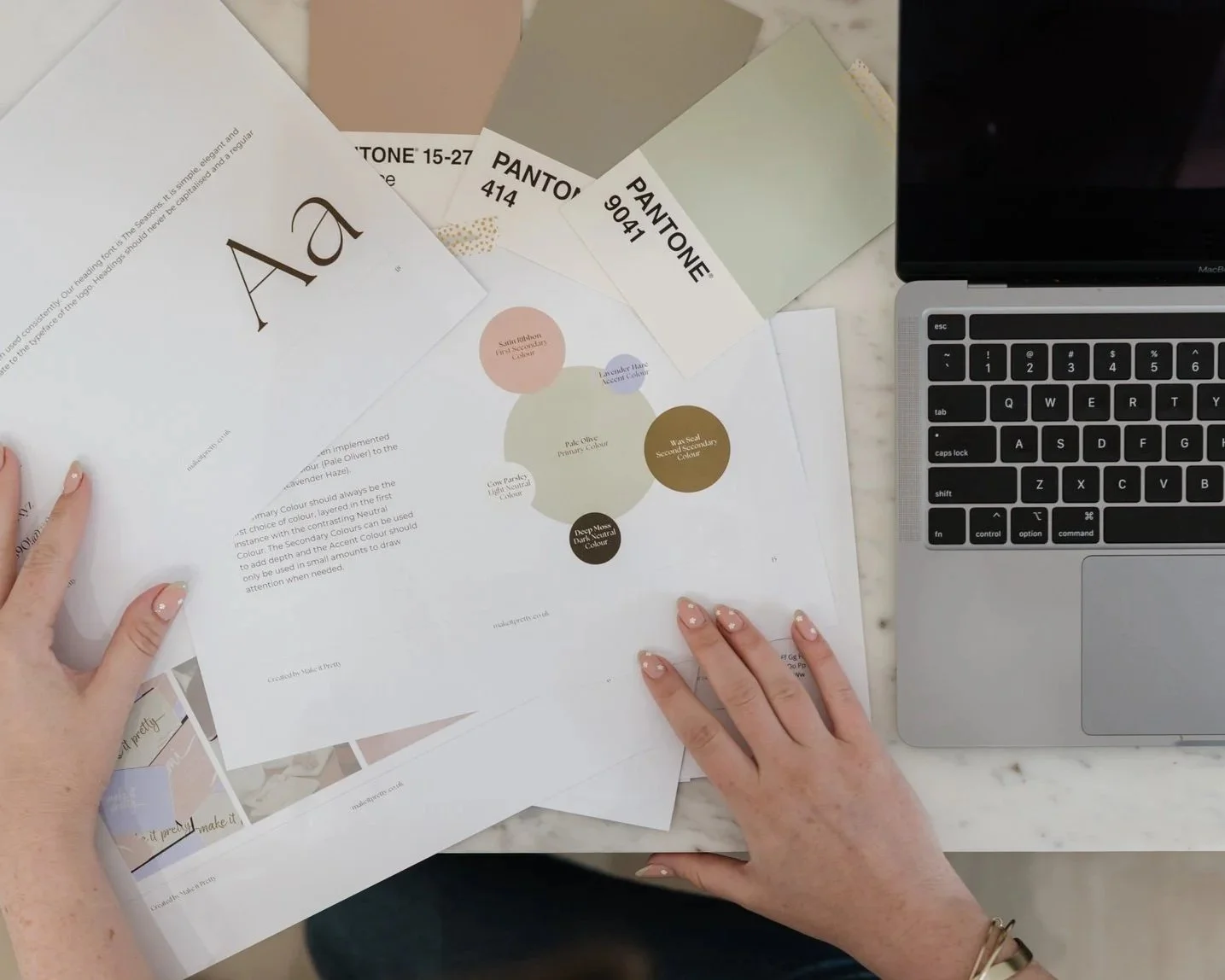
But chasing trends is one of the most expensive things you can do to a brand. Here’s why:
Trends move faster than your audience’s recognition of you can keep up with.
By the time you’ve redesigned, the trend is already on its way out.
You end up looking like everyone else, which is the opposite of what a brand should do.
You’re also signalling inconsistency, which quietly erodes trust, even if your audience can’t articulate why.
Your brand should draw from your values and your audience’s world, not from what’s popular on design Pinterest this month.
When a Refresh or Rebrand Actually Makes Sense
Now. All of the above is true and important, and there absolutely are times when a real brand refresh or even a full rebrand is the right call. The key is that the reason must come from a genuine strategic shift, not from creative restlessness. Here’s what that looks like:

1. New positioning
If you’ve moved upmarket, shifted your price point, or changed how you want to be perceived in your industry, your brand needs to reflect that. A premium business cannot afford to carry a DIY-looking brand. The visual signals need to match the offer.
2. New direction
Maybe you’ve pivoted your service offering, expanded into a new sector, or the business has evolved significantly since you first launched. If the brand no longer tells the right story about what you do, it’s holding you back.
3. New target audience
This is a big one. If the people you want to reach have changed, their demographics, their psychographics, their expectations, your brand needs to speak to them, not to the audience you had three years ago. A brand that was right for one audience can actively repel another.
In any of these cases, a refresh or rebrand is a strategic investment, not a vanity project. And crucially, even then it should be evolutionary rather than revolutionary where possible, protect the equity you’ve already built.
The Bottom Line
If you’re bored of your brand, before you start briefing a designer or opening Canva to start from scratch, ask yourself this: is my audience bored of it too? Or are they still building recognition and trust with every touchpoint?
More often than not, your boredom is a sign the brand is working. Your job isn’t to entertain yourself, it’s to build something your audience can rely on.
Stay consistent. Find your creative stimulation elsewhere. Only change when the strategy demands it.
If all else fails, remind yourself:
Consistency isn’t boring. Inconsistency is expensive.
I am in the process of creating some new packages to go alongside my current offerings to reflect the changes your business may be going through and where you may not want / need a full rebrand. If you would like to be kept informed, sign up to my newsletter below.
